

Understanding Emotional Intelligence (EI) involves a journey into the intricate balance between emotions and reason. While the role of each is often discussed in isolation, a closer look reveals that these two aspects are partners in a well-orchestrated dance. Let’s delve deeper into this relationship with real-world examples illustrating the collaborative interplay between emotions and reason. What is Emotional Intelligence and Emotional Intelligence Examples? Emotional intelligence is the skill set involving self-awareness, self-regulation, empathy, social skills, and motivation. It empowers individuals to recognize and manage emotions—both their own and others—to navigate life’s complexities more effectively. Emotions: The Raw Data of Experience Example 1: A Stressful Work Situation Imagine being confronted with an unmanageable workload. Your immediate emotional response might be stress or anxiety. This emotional data signals that something needs to be addressed. Example 2: Parenting Challenges Parents often feel a burst of irritation when their children don’t listen. The emotion serves as an alert, signaling that they may need to find new strategies for communication. Reason: The Analytical Lens Example 1: Navigating Office Politics While your gut feeling may tell you to avoid a cunning colleague, reason instructs you to maintain a professional demeanor. Balancing the two helps you safeguard your interests without burning bridges. Example 2: Investing Decisions You may feel thrilled about a hot stock tip from a friend. Reason, however, reminds you to do due diligence and research before investing your hard-earned money. The Balanced Act: Emotions and Reason in Unison Example 1: Choosing a Career Path Your passion (emotions) might guide you towards a career in the arts, but reason advises you to consider job market stability and income. A balanced approach might lead you to pursue art as a side hustle initially while maintaining a stable job. Example 2: Health Choices Emotionally, you might crave unhealthy foods. Reason informs you of the long-term health consequences. Striking a balance could mean indulging occasionally but maintaining a generally healthy diet. Example 3: Relationship Conflicts Emotions might urge you to react impulsively during an argument with a partner. Reason counsels you to pause and think before speaking. By balancing the two, you can address the issue effectively without causing unnecessary harm. Conclusion Emotional intelligence (EI) is about bringing emotions and reason into a harmonious relationship, not muting emotions or glorifying reason. When emotions and reason are in sync, you can make better decisions, improve your relationships, and increase your overall emotional well-being. The true mastery of emotional intelligence lies in understanding how to let emotions and reason enrich each other, guiding you towards a more fulfilling life. Here are some specific examples of how emotions and reason can work together to help you make better decisions: Emotional intelligence can help you to identify your own emotions and the emotions of others, which can give you valuable insights into different situations and perspectives. Emotional intelligence can also help you to understand the impact that your emotions can have on your thinking and behavior so that you can make more informed and rational decisions. Emotional intelligence can also help you regulate your emotions so that you can stay calm and focused under pressure. For example, if you are interviewing for a job, your emotions might be telling you that you are nervous and insecure. However, your reason can tell you that you are qualified for the job and that you have a good chance of getting it. By using your emotional intelligence, you can acknowledge your emotions but also stay focused on your strengths and qualifications. This will help you to make a good impression in the interview and increase your chances of getting the job. Emotional intelligence can also help you to improve your relationships with others. For example, if you are having a conflict with a friend, your emotions might be telling you to say something mean or hurtful. However, your reason can tell you that this is not the best way to resolve the conflict. By using your emotional intelligence, you can calmly and rationally discuss the problem with your friend and find a solution that works for both of you. By understanding and using your emotional intelligence, you can make better decisions, improve your relationships, and increase your overall well-being.
Rebuilding Bridges: Strategies for Nurturing a Healthier Parent-Child Relationship
The relationship we have with our parents is foundational, shaping our values, beliefs, and even our personalities. It’s a bond often filled with love and respect but also one that can be fraught with challenges. Navigating toxic traits, dominance, stubbornness, or even aggressive communication with parents is no small feat. Thankfully, in our era of increased mental health awareness, there are strategies available to foster healthier parent-child connections. Parent-child dynamics can be complicated, but they’re not insurmountable. The strategies outlined here provide a foundation for re-establishing a healthy and fulfilling connection. By approaching the situation with empathy, patience, and clear communication, it’s possible to rebuild the bond in a way that’s respectful and nourishing for everyone involved.
The Highly Sensitive Soul: Challenges and the Healing Power of Hypnotherapy
By Ameenah Thobani, Counselling, and Clinical Hypnotherapist/ Rapid Transformational Therapist Highly Sensitive People (HSPs) often feel emotions more deeply, pick up on the energies of their surroundings, and are more attuned to the nuances of the world. While these traits can be seen as gifts, they also come with their own unique set of challenges. Let’s dive into understanding HSPs better and explore how hypnotherapy can offer support. Understanding Highly Sensitive People HSPs have a heightened awareness of their environment. This can manifest in several ways: • Emotional Reactivity: HSPs may feel emotions more deeply, often being affected by others’ moods or the emotional atmosphere around them. • Physical Sensitivities: Bright lights, loud noises, or strong scents can be overwhelming. • Deep Empathy: They often have a profound ability to connect with others, sensing their emotions and needs. • Overstimulation: Busy environments or prolonged exposure to stimuli can lead to exhaustion or burnout. Challenges Faced by HSPs Being highly sensitive isn’t a flaw or a disorder, but it does come with specific challenges: 1. Feeling Overwhelmed: Crowded places, intense emotional situations, or even the daily news can be too much for an HSP. 2. Misunderstanding: Often, HSPs are labeled as “too emotional” or “too intense,” leading to feelings of isolation. 3. Difficulty in Setting Boundaries: Due to their empathic nature, HSPs might struggle to prioritize their own needs. 4. Physical Ailments: Stress and overstimulation can result in physical symptoms, like headaches or stomach issues. Hypnotherapy and HSPs: A Path to Balance Hypnotherapy, a therapeutic technique that uses guided relaxation and focused attention, can be particularly beneficial for HSPs. Here’s how: • Regulation of Emotional Responses: Through hypnosis, HSPs can learn to control their emotional reactions, ensuring they are less overwhelmed by external stimuli. • Enhancing Coping Mechanisms: Hypnotherapy can help HSPs develop tools and techniques to handle overstimulation, teaching them to create mental “safe spaces.” • Boosting Self-Esteem: By reframing negative self-perceptions, HSPs can begin to see their sensitivity as a strength, rather than a burden. • Promoting Relaxation and Healing: The deep relaxation state induced during hypnotherapy sessions can offer HSPs a much-needed respite, promoting mental, emotional, and physical healing. In Conclusion Being a Highly Sensitive Person is akin to possessing a finely-tuned instrument. While it might pick up on the most delicate of notes, it also requires careful handling. Hypnotherapy provides the gentle touch needed, guiding HSPs towards a balanced and harmonious life, enabling them to thrive amidst the clamor of the world. If you’re an HSP seeking guidance, consider the transformative power of hypnotherapy. Also, you can access the Highly Sensitive Personality Test by clicking here

The Transformative Power of Praise: A Crucial Element in Child Upbringing
My Story: The Ripple Effect of a Simple Compliment It was October 2, a day characterized by its gloomy, overcast skies and persistent rain that had most people bundled up in neutral colors, seeking to blend in rather than stand out. I was an exception. Donned in a bright yellow sweater that was almost sunshine incarnate, black shiny leather pants that added a touch of glam, and a yellow fedora that was the perfect exclamation point to my ensemble, I ventured into a store to tackle my shopping list. As I meandered through the aisles, pushing a cart filled with groceries, I couldn’t help but notice two women who were also shopping. Their eyes met mine, and their expressions changed. It was as if a light had switched on. One of them broke away and approached me. “I really love the color you’re wearing,” she said, her voice carrying a note of genuine admiration. “On such a rainy, gloomy day, you’re brightening so many people’s day.” Her companion nodded in agreement and added, “I feel like I must be following you on Instagram or something. You have this incredible vibe!” Their words, simple yet heartfelt, were transformative. Instantly, my face lit up with a broad smile, not dissimilar to the glowing yellow of my sweater. A surge of confidence washed over me. I thanked them, and we parted ways, but the impact of that brief interaction lingered much longer. That was when it hit me: the incredible, almost magical, power of praise. If a compliment from a stranger could uplift my spirits so dramatically, what could consistent, thoughtful praise do for a child growing up? Why Praise is Important for Child Upbringing Confidence Building Children are like saplings; they need the right environment to grow into strong, healthy trees. Praise serves as one of the essential nutrients for that growth. When you praise a child for their achievements, big or small, you instill in them a sense of worth and capability. This forms the foundation of their self-confidence, which they will carry into adulthood. Emotional Development Praise doesn’t just buoy spirits momentarily; it has a long-term impact on emotional development. A child who regularly receives praise learns resilience, understanding that while life has its challenges, their efforts are recognized and valued. This emotional toolkit becomes invaluable as they navigate the complexities of adult life. Social Skills Learning to give and receive praise also serves as a lesson in empathy and social interaction. Children who understand the significance of positive feedback are more likely to practice kindness, cooperation, and sharing—skills that will serve them well in their journey through adulthood. Consequences of Lack of Praise Lowered Self-Esteem A childhood devoid of praise often results in adults who struggle with self-esteem issues. The need for validation may become a constant quest, and they may find themselves forever seeking, yet never quite receiving, the approval they crave. Lack of Motivation Without the motivational boost that comes from praise, many individuals find it hard to push themselves toward excellence. The absence of positive reinforcement may lead them to question the value of effort, leading to a life of unfulfilled potential. Difficulty in Relationships Adults who did not receive sufficient praise as children often face challenges in forming and maintaining relationships. They may either become overly dependent, constantly seeking validation, or develop an emotional shield, making it hard to give and receive affection and support. Conclusion My experience on that rainy October day served as a vivid reminder of the transformative power of praise. Like sunshine breaking through the clouds, a simple compliment lifted my spirits and brightened my day. This underlines the importance of praise in a child’s upbringing. A little affirmation can indeed go a long way, laying the groundwork for a confident, emotionally balanced, and socially adept adult.
The Risk Of Putting Too Much Pressure On Children And Anxiety!
As parents, it is natural to want the best for our children. We want them to succeed in all aspects of life, whether it be academically, athletically, or socially. However, putting too much pressure on kids can have dangerous consequences that can impact their mental and physical health. One of the most common ways that parents put pressure on their kids is through academic achievement. While it is important to encourage children to do their best in school, putting too much emphasis on grades can lead to anxiety, stress, and burnout. Children may feel like they are not good enough, which can lead to negative self-talk and a lack of confidence. Furthermore, too much pressure on academic achievement can lead to cheating and academic dishonesty. When children feel like their grades are the only measure of success, they may resort to cheating to get ahead. This can lead to a lack of integrity and a disregard for the value of hard work and dedication. Another way that parents put pressure on their kids is through athletics. While sports can be a great way for children to stay active and learn teamwork, putting too much emphasis on winning can lead to physical and emotional injuries. Children may push themselves too hard to win, leading to injuries and burnout. Additionally, too much pressure on athletics can also lead to a lack of enjoyment and passion for the sport. When children feel like winning is the only measure of success, they may lose sight of the joy and fun that comes with playing sports. Lastly, putting too much pressure on kids can impact their social life. Children who feel like they are constantly being evaluated and judged may struggle to form healthy relationships with their peers. They may become isolated and struggle with social anxiety and depression. So, what can parents do to prevent putting too much pressure on their kids? Firstly, parents can set realistic expectations and celebrate effort, rather than just the end result. Children should be encouraged to pursue their interests and hobbies, rather than being forced to participate in activities they are not interested in. Secondly, parents should prioritize the well-being of their children over their academic and athletic success. This means encouraging children to take breaks, get enough sleep, eat healthy foods, and exercise regularly. Children should also be encouraged to talk about their feelings and emotions, and parents should be open to listening and providing support. Lastly, parents should seek professional help if they notice any signs of mental health issues in their children. This could include anxiety, depression, or other symptoms of stress. Professional help can provide children with the tools they need to cope with pressure and develop healthy habits. In conclusion, putting too much pressure on kids can have dangerous consequences that can impact their mental and physical health. Parents should prioritize the well-being of their children and encourage them to pursue their interests and hobbies without unnecessary pressure. This will not only benefit the children themselves, but also society as a whole. It is important to remember that children’s mental and physical health are just as important as their academic and athletic success.
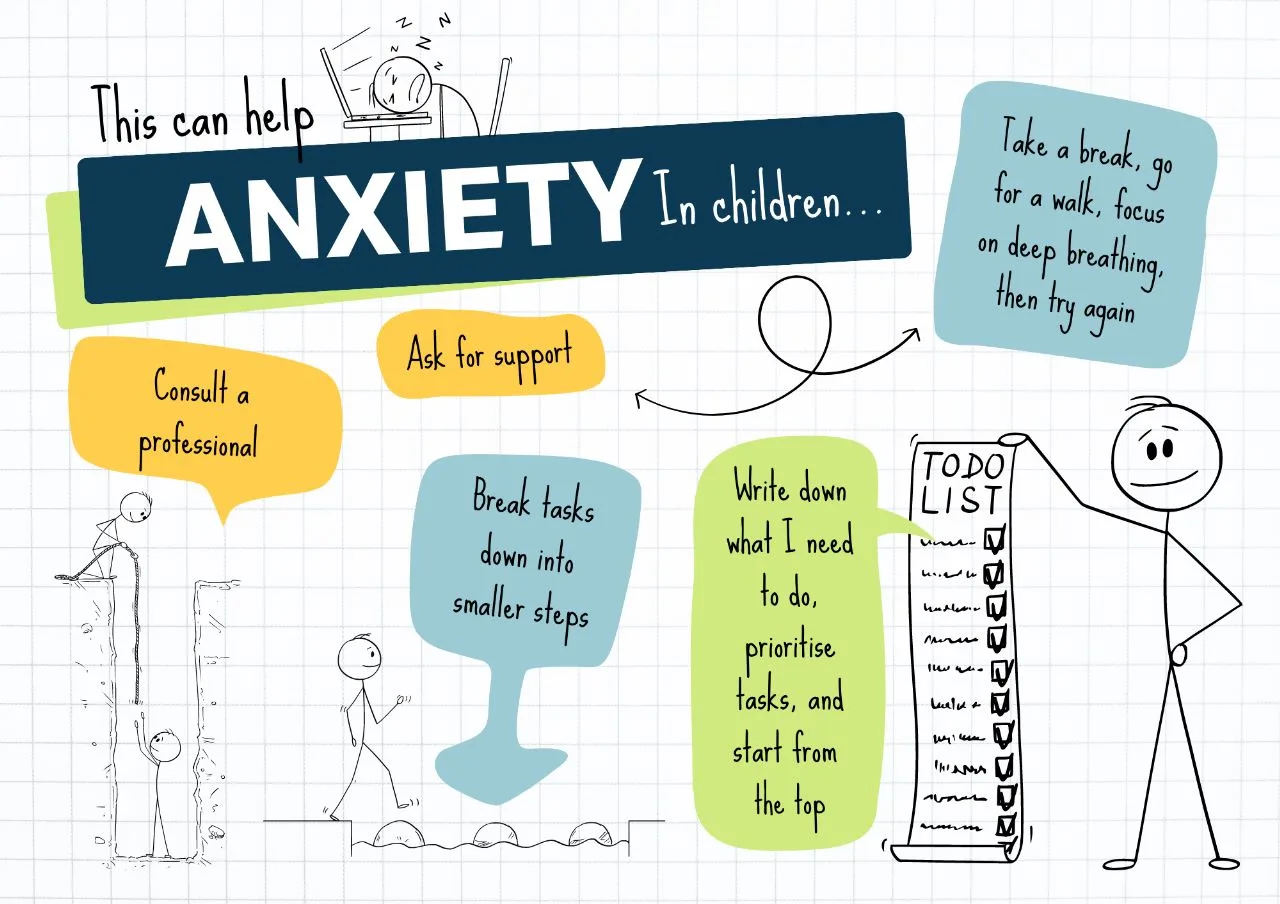
ANXIETY IN CHILDREN
As a parent, caregiver, or educator, seeing a child struggle with anxiety can be difficult. Anxiety in children can manifest in different ways, including panic attacks, excessive worry, obsessive-compulsive behavior’s, or social anxiety. It can be triggered by various factors, such as changes in routine, school stress, family problems, or traumatic events. However, there are ways to help relieve anxiety in children and support their emotional well-being.

Journey Beyond the Physical: Exploring the Realm of Astral Projection
Have you ever wondered what lies beyond the confines of our physical existence? Are you curious about exploring other dimensions, realms, and the depths of consciousness itself? Astral projection, also known as astral travel, offers a fascinating pathway to transcend the limitations of our physical body and embark on extraordinary adventures in the astral realm. In this blog, we will delve into the captivating world of astral projection, its potential benefits, and practical techniques to initiate your own out-of-body experiences. Unveiling the Astral Realm: The astral realm is a realm of existence that coexists with our physical reality but operates at a higher vibrational frequency. It is a realm where consciousness transcends physical limitations, allowing for expanded perception, exploration, and interaction with various planes and dimensions. Astral projection enables individuals to consciously navigate this ethereal realm, unlocking the mysteries and wonders it holds. The Benefits of Astral Projection: Techniques for Astral Projection: There are some techniques that can help facilitate astral travel. Here is a step-by-step guide to get started: 1. Preparation: * Find a quiet and comfortable space where you won’t be disturbed. * Set a clear intention for your astral travel experience. * Relax your body through deep breathing or meditation. 2. Deep Relaxation: * Lie down or sit in a comfortable position. * Close your eyes and focus on releasing tension from your body. * Progressively relax each muscle group from head to toe. 3. Mind and Body Awareness: * Shift your attention inward and become aware of your body and mind. * Notice any sensations, thoughts, or feelings without judgment. * Cultivate a state of deep relaxation and mental clarity. 4. Visualizations and Affirmations: * Visualize a cord or beam of light extending from your body. * Imagine this cord connecting you to your physical body, serving as a tether. * Repeat affirmations such as “I am ready to explore the astral realms” to strengthen your intention. 5. Inducing the Astral State: * Enter a state of hypnagogia, the transitional state between wakefulness and sleep. * Focus on maintaining awareness while allowing your body to relax deeply. * Visualize yourself floating or lifting out of your physical body. 6. Explore the Astral Realm: * Once you feel a sense of separation, you can explore the astral realm. * Start by observing your surroundings and noting any details or sensations. * You can explore familiar places, visit other dimensions, or interact with beings you encounter. 7. Returning to Your Physical Body: * When you’re ready to end your astral journey, intend to return to your physical body. * Visualize yourself gently and safely descending back into your body. * Take your time to integrate the experience and ground yourself. Remember that astral travel can take time and practice to master. Be patient with yourself and trust in the process. It’s essential to approach astral travel with a positive mindset, respect for the experience, and a focus on personal growth and exploration.
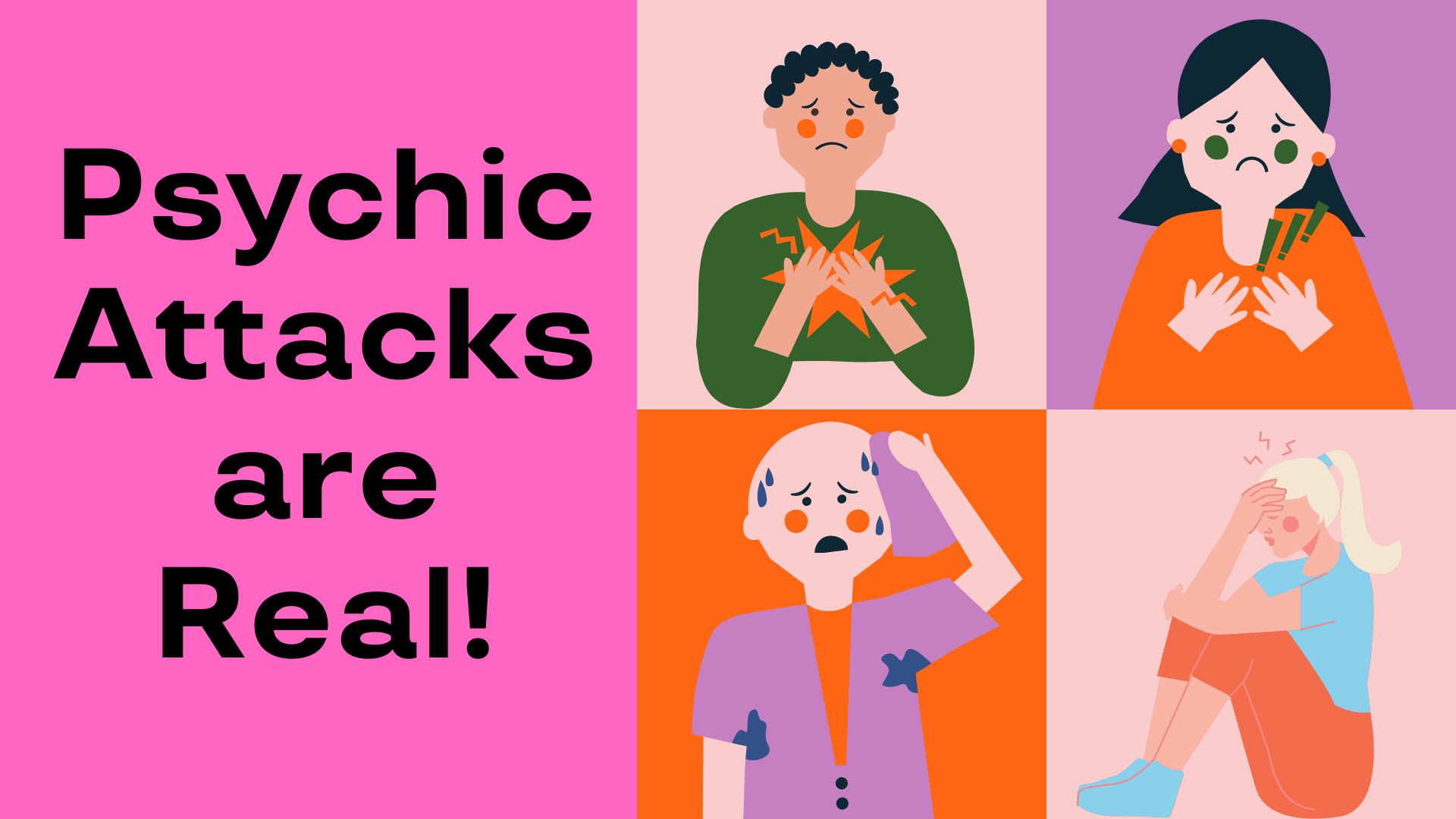
Psychic Attacks are Real!
It has been a couple of days since the weekend, and I haven’t been waking up at my regular 4:00 am meditation time. As a highly sensitive person, meditation is crucial for me to keep myself safe and in flow. However, we all experience situations where we feel derailed, and that happened to me in this case. I believe that as humans, we all go through ups and downs, and I can’t remember why I stopped meditating for some time. I had no clue that I was putting my guard down. I’m a great believer in sitting and reflecting on myself, and I meditate vividly with a mantra. I personally feel that those moments guide me in so many ways in my life, but I didn’t want to feel guilty about not doing meditation, so maybe that’s why I didn’t think that not meditating was the cause of the issues I was facing or would face. That particular Saturday night, I dreamt the most unusual dream after reading before sleeping. In my dream, I was being attacked, and I was protecting myself, fighting like a ninja. I know it sounds funny and silly, and I had no idea it was a heads-up from my higher self about what was coming. What is more strange is that my husband dreamt something similar, but he saw two snakes fighting. Something deep inside me didn’t feel comfortable, but I didn’t pay much attention as it was very unusual for me to dream like this. After a few days, I had a throbbing headache that was unusual as I had never felt that kind of headache before. I was unable to think clearly, and it felt foggy. It seemed that my heart was chained or pressurized, and I was in a very painful place, feeling very fatigued. I had to cancel all my sessions, and it took me 2-3 days to figure out what was happening. As a spiritual person and an energy healer, my intuition guided me to do something about it. For sure, it was a big energy attack or a psychic attack. It took me some time to gather my energy to at least sit and meditate. I wanted to do something about it, so I started looking for the source of this attack and the source of negativity. It didn’t take me much time to track down those intense negative emotions that were sent towards me on the assumption that a person whom I helped from my heart to get better attacked me psychically. Remember, negativity is more penetrating, and especially in this case, I allowed that person to connect with my energy as I deeply wanted her to heal, but she was not ready to heal from the cycle she was in. It’s not that I don’t guard myself, but thank God, I was able to track it and cleanse my energy with the tools I have, recover by the grace of a Divine source, and protect myself from any ill intention. I learned a lot from this experience, and it was a big reminder for me to always keep myself with a protective shield. Sometimes you have to go through experiences like this to learn a lesson and teach others and spread awareness about this, as I have gone through this by myself. It was my human experience where I put my guard down, and my awareness that reassured me that I am a multi-sensory being, a spiritual being, and I possess the power within me. Listen to the audio by clicking here Now Let’s Learn About Psychic Attacks And How To Overcome It What is a psychic attack? A psychic attack is a form of negative energy that can be directed towards a person. This energy can come from other people, spirits, or even from one’s own negative thoughts and emotions. Psychic attacks can take many forms, including emotional manipulation, energy-draining, and psychic or physical violence. Psychic attacks can have a significant impact on an individual’s mental, emotional, and physical well-being. They can cause feelings of anxiety, depression, and fatigue, and can even manifest as physical symptoms such as headaches and digestive issues. How do psychic attacks affect us? Psychic attacks can have a wide range of effects on an individual, depending on the severity and duration of the attack. Some common symptoms of psychic attacks include: * Feelings of anxiety and depression * Fatigue and exhaustion * Difficulty sleeping * Headaches and migraines * Digestive issues * Chronic pain * Unexplained physical symptoms Psychic attacks can also affect an individual’s mental and emotional well-being. They can cause feelings of fear, anger, and helplessness, and can even lead to post-traumatic stress disorder (PTSD) in some cases. How to overcome a psychic attack? If you suspect that you are experiencing a psychic attack, there are several steps you can take to overcome it. Here are some tips to help you: 1. Identify the source of the attack: The first step in overcoming a psychic attack is to identify the source of the negative energy. Is it coming from another person? Or is it coming from your own negative thoughts and emotions? Once you have identified the source, you can take steps to address it. 2. Protect yourself: One way to protect yourself from psychic attacks is to create a psychic shield. This shield can be created by imagining a bubble of white light around you that repels negative energy. 3. Practice self-care: Self-care is essential when it comes to overcoming psychic attacks. Make sure to get plenty of rest, eat a healthy diet, and engage in activities that bring you joy and relaxation. 4. Seek professional help: If you are experiencing severe symptoms or are unable to overcome the psychic attack on your own, it may be helpful to seek professional help. A therapist or energy healer can help you identify and address the root cause of the attack and provide you with tools to overcome it.
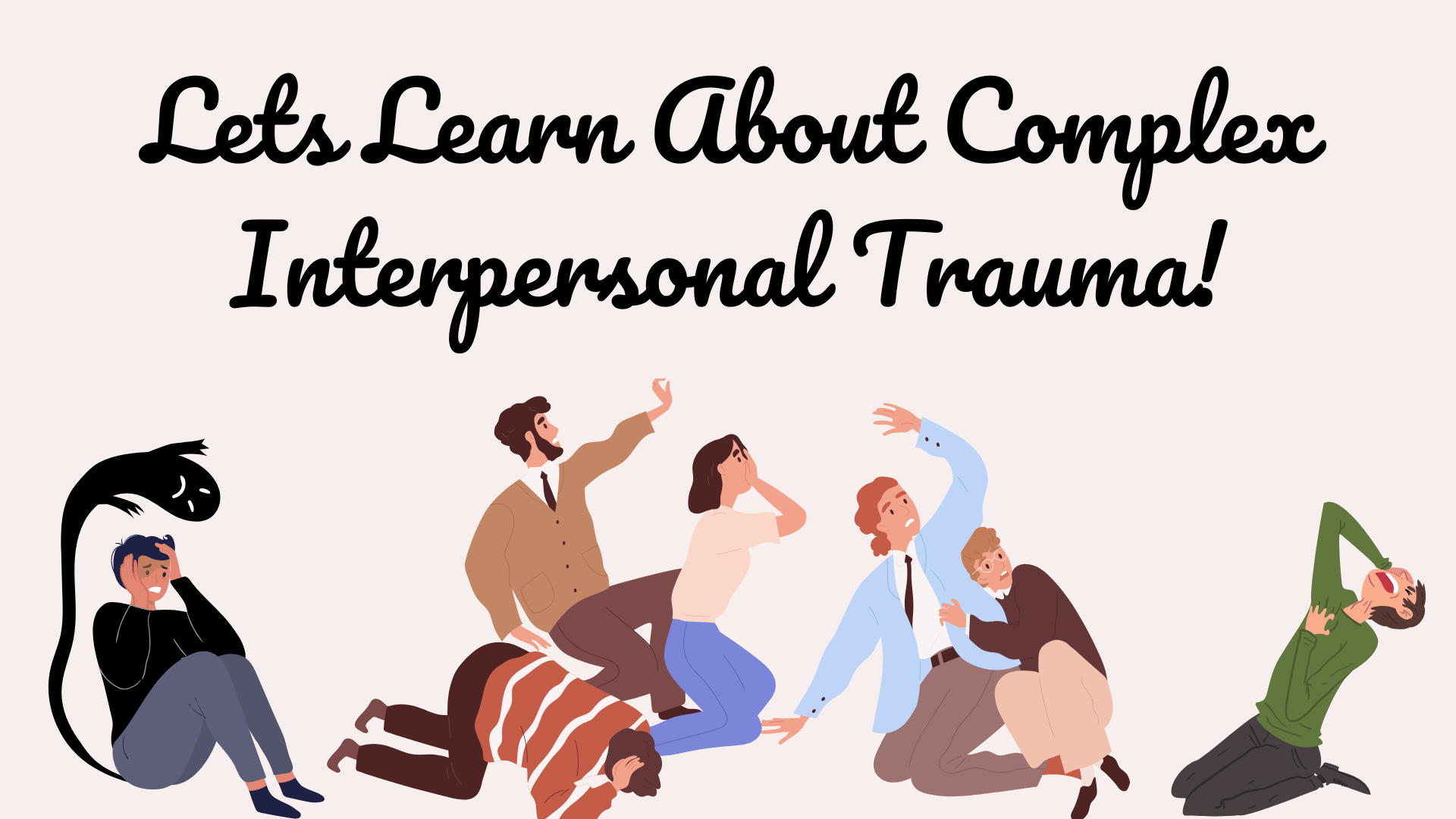
Lets Learn About Complex Interpersonal Trauma!
People who you wanted to belong hurts you repeatedly may be they are traumatized adults emotionally immature but as a infant you need them to regularize your emotions that’s the need and if one doesn’t get this connection and its repeated it really messed up with the physiology of the brain. We can separate emotions and bodily functions. Complex interpersonal trauma (CIT) is a form of chronic trauma that occurs as a result of repeated and prolonged exposure to traumatic events, typically in childhood or adolescence, that are caused by other people, such as physical, emotional, or sexual abuse, neglect, and abandonment. CIT is considered to be more severe and damaging than single-incident trauma due to its pervasive nature and the impact it has on the development of a person’s sense of self, relationships, and ability to cope with stress. Impact of CIT (Complex Interpersonal Trauma) CIT can have a profound impact on a person’s physical, emotional, and mental health, leading to a range of negative outcomes such as depression, anxiety, post-traumatic stress disorder (PTSD), substance abuse, self-harm, and suicidal ideation. CIT can also result in significant changes in a person’s brain structure and function, which can further exacerbate these outcomes. CIT can impact an individual’s relationships in various ways. Due to the trauma experienced, individuals may struggle with attachment and trust issues, leading to difficulties in forming and maintaining close relationships. They may also have difficulty with emotional regulation, which can lead to conflict and volatile behavior in relationships. Additionally, CIT can lead to feelings of shame and guilt, which can further exacerbate relationship difficulties. Overcoming CIT (Complex Interpersonal Trauma) Overcoming CIT is a complex and challenging process that requires a combination of self-care, support from others, and professional help. Here are some strategies that can be helpful in overcoming CIT: 1. Build a support network: Surround yourself with people who are supportive, understanding, and non-judgmental. This can include friends, family, and support groups. 2. Practice self-care: Take care of yourself physically, emotionally, and mentally. This includes regular exercise, healthy eating, and mindfulness and relaxation techniques. 3. Seek professional help: A mental health professional can help you process and work through the trauma experienced, as well as teach you coping strategies by focusing on your strength. 4. Consider trauma-specific therapy: Trauma-focused therapies, such as cognitive-behavioral therapy (CBT), Rapid Transformation therapy, and hypnotherapy can be helpful in treating CIT. 5. Develop healthy coping mechanisms: Engage in healthy coping mechanisms, such as journaling, art therapy, or meditation, to help regulate emotions and manage stress. 6. Address any substance abuse issues: Substance abuse can be a common coping mechanism for those who have experienced CIT. Addressing any substance abuse issues is crucial to overcoming CIT. Importance of seeking professional help: While self-help strategies can be helpful, seeking professional help is crucial in overcoming CIT. Mental health professionals can provide a safe and supportive environment for individuals to process and work through the trauma experienced. They can also teach individuals coping strategies and skills for managing symptoms. Additionally, mental health professionals can provide trauma-specific therapies, such as how hypnotherapy and RTT, which have been shown to be effective in treating CIT. Conclusion: CIT can have a profound impact on an individual’s physical, emotional, and mental health, as well as their relationships. Overcoming CIT requires a combination of self-care, support from others, and professional help. It is crucial for individuals who have experienced CIT to seek professional help from a mental health professional who can provide trauma-specific therapies and teach coping strategies and skills for managing symptoms.
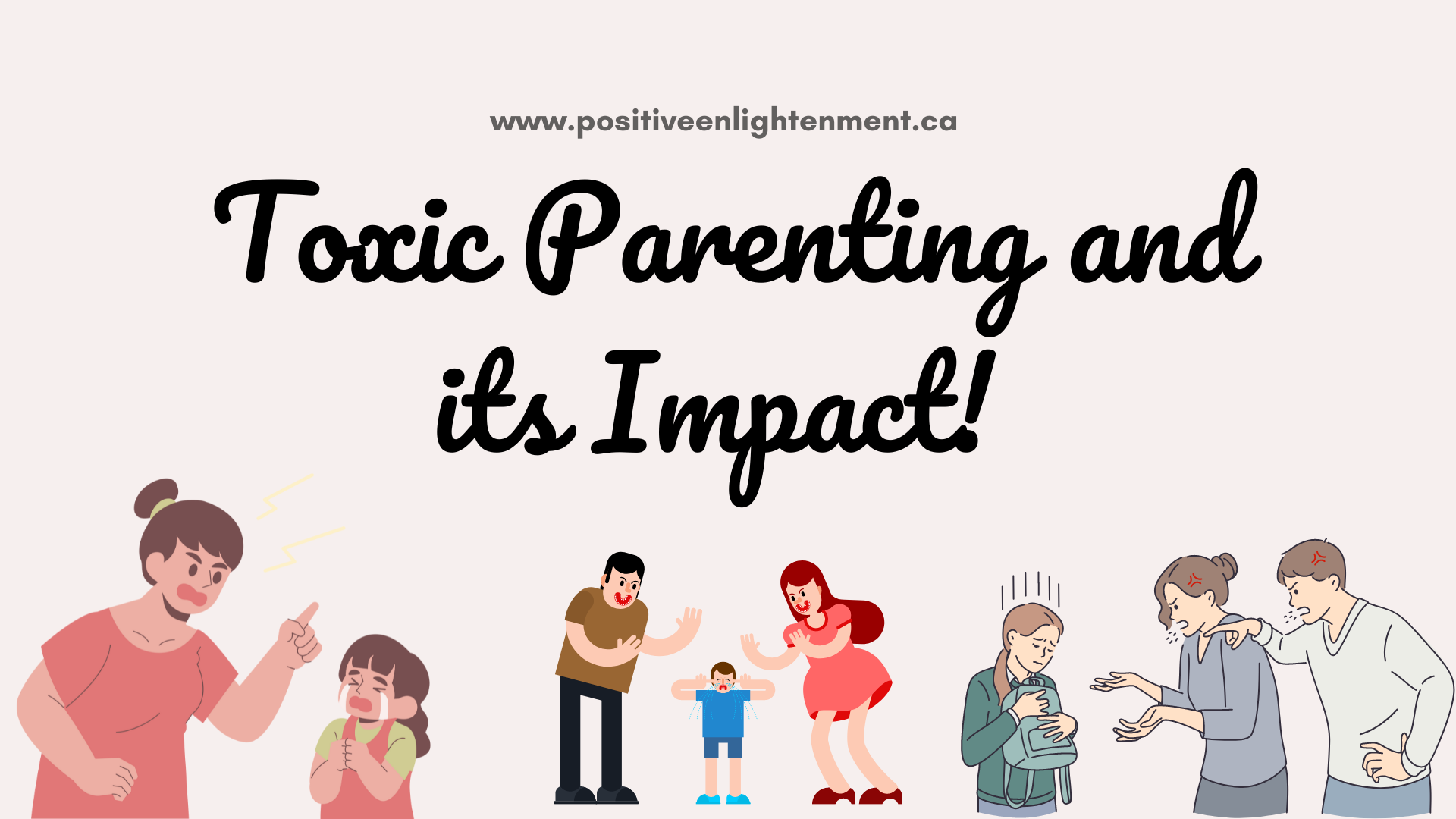
Toxic Parenting and its Impact! Ameenah Thobani
As a Hypnotherapist working in the field for more than two decades, I see a very consistent pattern of my client with complex interpersonal trauma and it is my story too. Let’s explore toxic parenting trait, so let me add this here too most of the Parents whose children suffer complex interpersonal trauma themselves are traumatized and does not know how to do parenting effectively. Your children are not your children, Khalil Gibran. Children are born with two basic needs the need for attachment and the need to feel all their emotions. Khalil Gibran beautifully expressed in his poem how conscious parenting is the answer and it can only happen when parents do their inner work and that will come with awareness. Here is the poem I love how he expressed beautifully how conscious parenting should look like. “Your children are not your children They are the sons and daughters of Life’s longing for itself. They come through you but not from you, And though they are with you, they belong not to you. You may give them your love but not your thoughts. For they have their own thoughts. You may house their bodies but not their souls, For their souls dwell in the house of tomorrow, which you cannot visit, not even in your dreams. You may strive to be like them, but seek not to make them like you. For life goes not backward nor tarries with yesterday. You are the bows from which your children as living arrows are sent forth. The archer sees the mark upon the path of the infinite, and He bends you with His might that His arrows may go swift and far. Let your bending in the archer’s hand be for gladness; For even as he loves the arrow that flies, He also loves the bow that is stable.” Toxic parenting is a term used to describe a type of parenting that can be harmful to a child’s emotional and psychological well-being. It can take various forms, including neglect, abuse, and overly controlling behavior. Toxic parents can damage their children’s self-esteem, relationships, and overall mental health. However, it is possible to overcome the effects of toxic parenting and lead a fulfilling life. Here are some common signs of toxic parenting: So, how can you overcome the effects of toxic parenting? Here are some strategies that may help: In conclusion, overcoming the effects of toxic parenting can be challenging and ongoing. However, with the right support and resources, it is possible to heal from the emotional scars of toxic parenting and lead a fulfilling life. Remember to seek help when needed, practice self-care set boundaries, build support networks, and develop self-awareness to overcome the effects of toxic parenting. You can seek help from Ameenah Thobani, Best Hypnotherapist in Vancouver, British Columbia