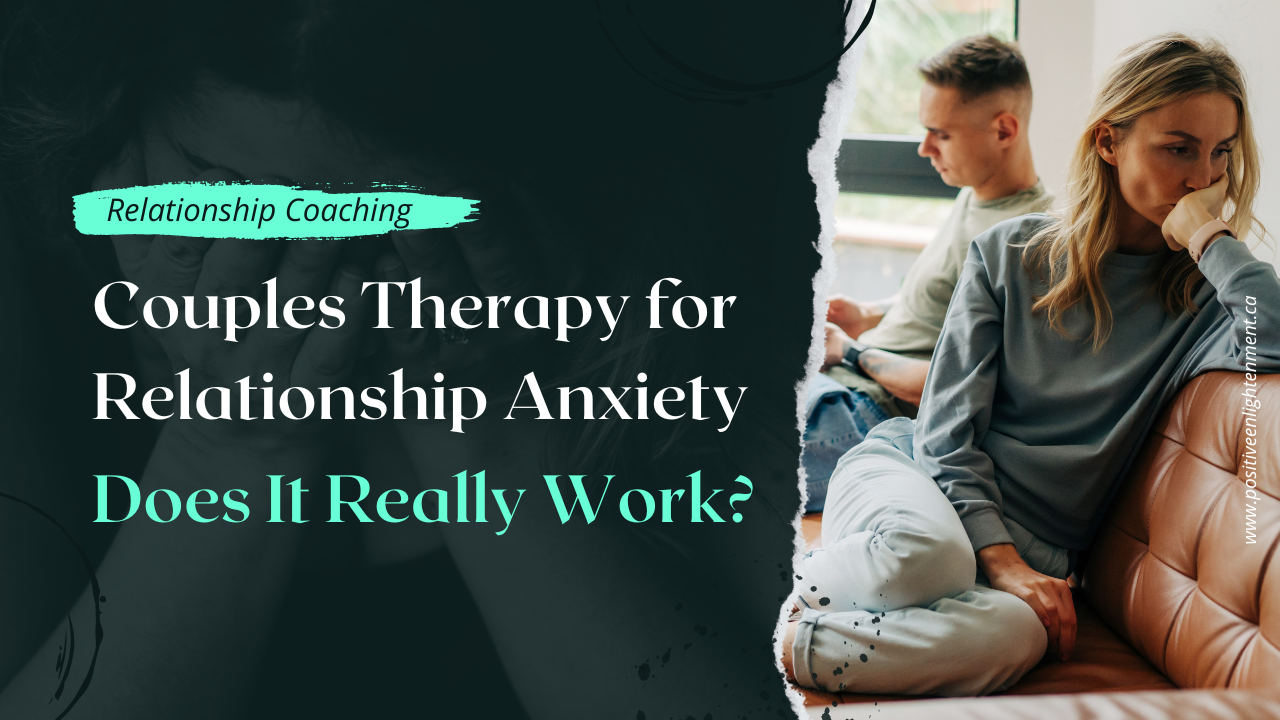
You love your partner, but you’re always anxious. You replay conversations. Worry they’ll leave. Feel insecure over small things. Maybe you’ve been told you’re “too sensitive,” or you’ve started to believe it yourself. This isn’t just overthinking. It’s called relationship anxiety, and if you’re stuck in this cycle, you’re not alone and you’re not broken. The good news? Couples therapy for relationship anxiety is one of the most effective ways to repair emotional security and build a stronger connection together. Let’s break down how it works & whether it’s right for you. What Is Relationship Anxiety, Really? Relationship anxiety is the persistent fear that something will go wrong & even in a healthy relationship. You might: These behaviors often stem from attachment trauma, past heartbreaks, or anxiety disorders and they can deeply affect both partners over time. How Couples Therapy for Relationship Anxiety Helps Couples therapy for relationship anxiety isn’t about pointing fingers but it’s about healing patterns that keep you stuck. Whether your anxiety shows up as fear of abandonment, control, jealousy, or emotional shutdown, therapy offers a safe space to understand it and break the cycle together. What Therapy Helps You Achieve: Does It Really Work? What Science Says Yes—couples therapy for relationship anxiety is proven to help. According to the American Psychological Association, couples therapy is effective for up to 75% of couples when guided by trained, evidence-based therapists. One of the most successful approaches is Emotionally Focused Therapy (EFT), which has a 70–90% success rate for improving emotional closeness and reducing anxiety within relationships. Another study in the Journal of Marital and Family Therapy found that couples who address anxiety together show better long-term outcomes than those who try to manage it individually. How to Know If You Need Couples Therapy Couples therapy isn’t just for relationships in crisis. It’s for anyone who wants to feel more connected, secure, and emotionally balanced together. You may benefit from therapy if: Why Start Therapy Now, Not Later Ignoring relationship anxiety won’t make it go away. It just finds new ways to sabotage connection & whether through withdrawal, resentment, or overdependence. When you choose to start couples therapy for relationship anxiety, you’re choosing: You don’t need to wait until things “get worse.” Therapy is most effective when you’re still committed—and ready to grow. Can I Start Therapy While on Medication? Yes. In fact, many people begin therapy while continuing medication. You do not need to stop taking any prescribed treatment in order to work on your relationship anxiety through therapy. Hypnotherapy, mindfulness, and emotional healing can be integrated while you’re still on medication—with your doctor’s support. Healing Relationship Anxiety at Positive Enlightenment by Ameenah At Positive Enlightenment by Ameenah, we offer compassionate, trauma-informed support for couples navigating anxiety, disconnection, or emotional distance. Using a blend of hypnotherapy, subconscious healing, and heart-centered guidance, we help couples: Whether you’re just starting therapy or looking to deepen your relationship, you are not alone and there is help. 🔹 Let’s rebuild connection where anxiety once lived. ⚠️ Disclaimer This article is for educational purposes only and is not a substitute for professional medical or psychological advice. Always consult with a licensed therapist or healthcare provider before starting or changing any treatment plan. Never stop any prescribed medication without your doctor’s guidance.
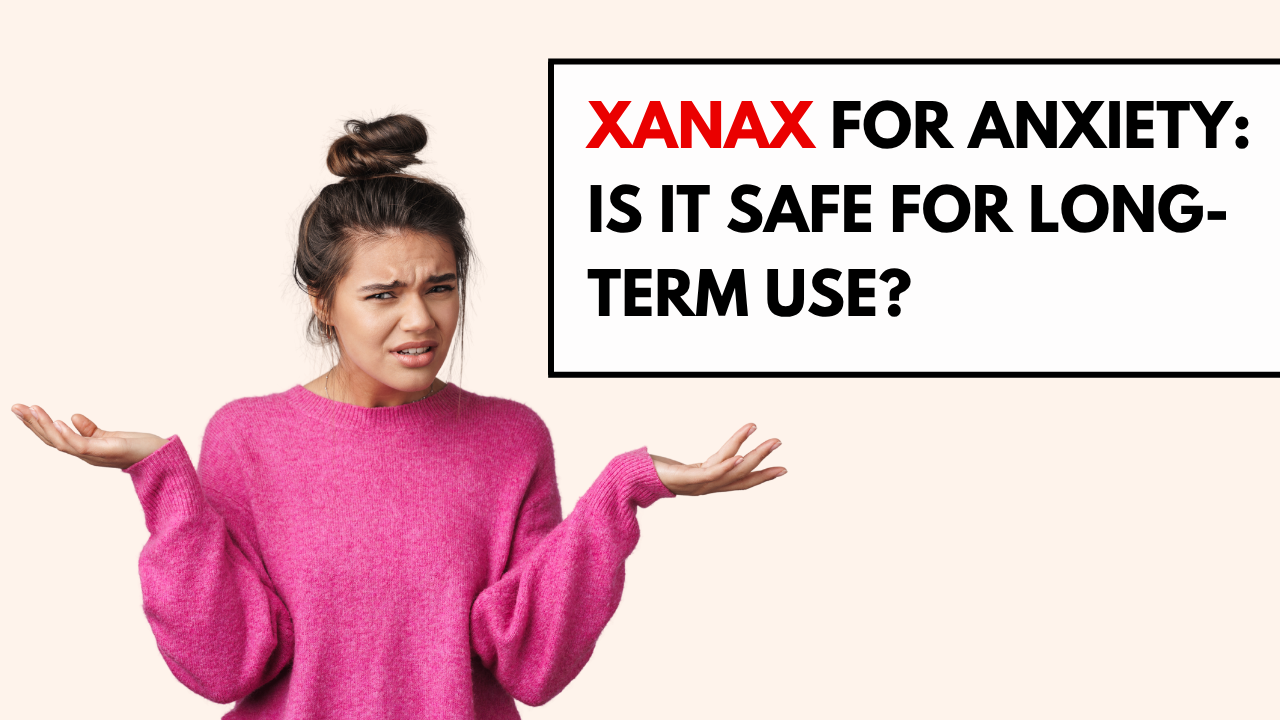
Xanax for Anxiety: Is It Safe for Long-Term Use?
Anxiety can be overwhelming. For many, Xanax (alprazolam) seems like a lifeline by offering fast, noticeable relief from intense worry, panic, or fear. But when short-term relief turns into long-term use, serious questions arise: Is it safe to take Xanax for Anxiety for long-term? What are the risks? And are there better options for healing anxiety at the root? Let’s explore the truth behind this widely prescribed drug and why long-term use may not be the safest path. What Is Xanax and How Does It Work? Xanax is a benzodiazepine, a class of medications known for their fast-acting calming effects. It works by enhancing the activity of GABA, a neurotransmitter that reduces nervous system activity & bringing calm during moments of acute anxiety or panic. It’s commonly prescribed for: But its fast relief can come at a long-term cost. Why Long-Term Use of Xanax for Anxiety Can Be Risky Although Xanax is effective in the short run, using it regularly for more than a few weeks can lead to serious challenges: 1. Dependence and Addiction 2. Cognitive and Emotional Side Effects 3. Withdrawal Difficulty Even after short-term use, stopping Xanax suddenly can trigger withdrawal symptoms that are physically and emotionally distressing. Is There a Safer Way to Treat Anxiety? Yes—and it starts by understanding that anxiety isn’t just chemical, it’s emotional and experiential. Relying only on medication ignores the deeper layers of what you’re going through. Why Therapy—Especially Hypnotherapy—Matters At Positive Enlightenment by Ameenah, we believe anxiety is not a life sentence. It’s a signal. A message. A story waiting to be heard and healed. Hypnotherapy, for instance: Medication Isn’t Evil—But It’s Not the Only Way We’re not against medication—but we are for informed, conscious healing.Xanax doesn’t cure anxiety. It suppresses it. By working with a trained hypnotherapist or mental health professional, you can build true inner resilience, not chemical dependency. ❗Important Note on Medication Safety ⚠️ Disclaimer: Never stop or reduce your medication without first consulting your doctor or licensed healthcare provider. Abrupt discontinuation of Xanax or any benzodiazepine can be dangerous and must be medically supervised. ✅ Good News: You do NOT need to stop taking medications like Xanax, Zoloft to begin hypnotherapy or emotional healing work. In fact, many of our clients begin therapy while still on medications and gradually transition with their doctor’s guidance. Final Thoughts from Ameenah Your anxiety doesn’t define you. You deserve to feel safe, grounded, and empowered—without fear of dependence. At Positive Enlightenment, we help you transform your anxiety from the inside out. Whether you’re taking medication or not, your healing journey is valid and possible.
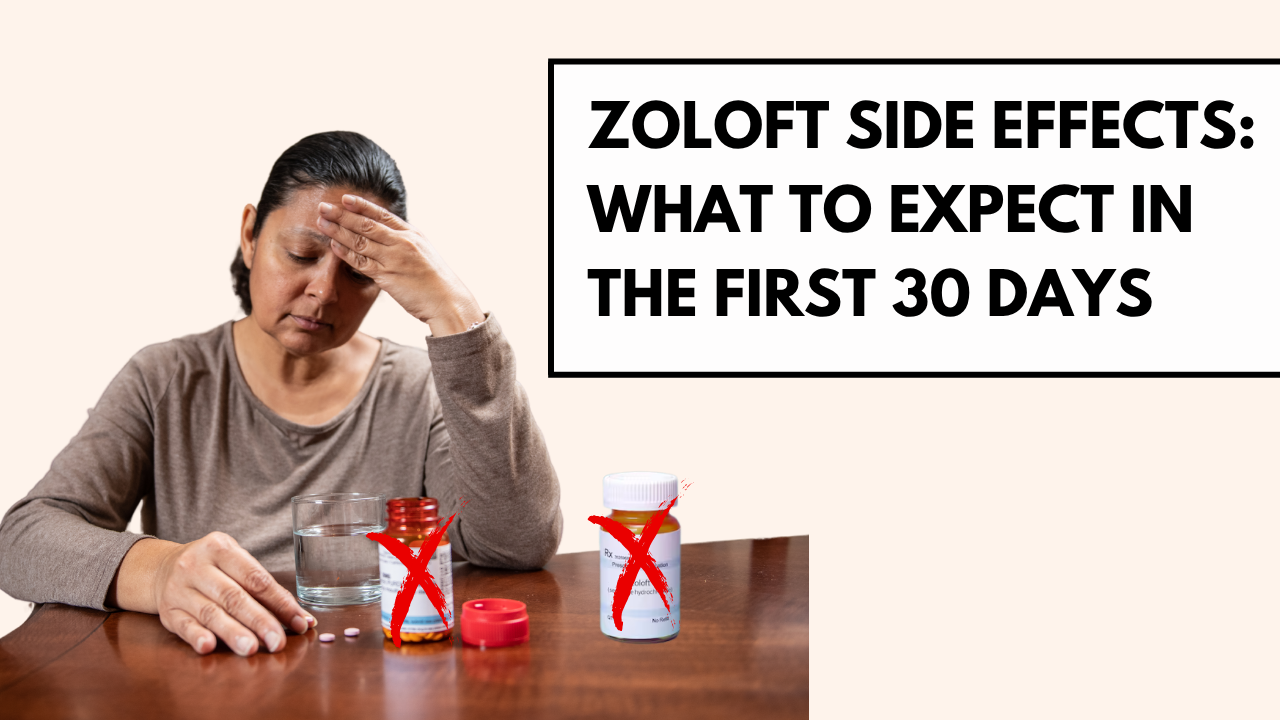
Zoloft Side Effects: What to Expect in the First 30 Days
If you’ve recently been prescribed Zoloft (sertraline) for anxiety or depression, you’re not alone. Zoloft is one of the most commonly prescribed antidepressants in Canada and the USA. But like many medications, it often comes with side effects & especially during the first 30 days. Understanding what’s normal and when to seek help is key to navigating this stage safely and consciously. What Is Zoloft and Why Is It Prescribed? Zoloft is a Selective Serotonin Reuptake Inhibitor (SSRI). It’s primarily prescribed to treat: Zoloft works by increasing the availability of serotonin—a “feel-good” chemical—in your brain. While that sounds promising, it’s important to be mindful of the adjustment period your body and mind go through. Common Side Effects in the First Month Most people begin to feel the effects of Zoloft within 2 to 6 weeks, but side effects often appear much sooner. Here’s what to expect: Week 1–2: The Adjustment Phase Tip: Start with food and take it at the same time daily to reduce nausea. Week 2–4: Stabilization or Escalation For many, these effects begin to level out by week 4, but not always. When to Contact Your Doctor Some symptoms may signal that Zoloft isn’t right for you or needs dosage adjustment: Never ignore serious changes. Your mental health deserves careful and compassionate monitoring. But Is Medication the Only Way? While Zoloft can provide relief, it’s not a magic pill. Many people rely on medication without addressing the root causes of emotional distress. At Positive Enlightenment by Ameenah, we believe healing begins from within. Here’s Why Therapy Can Be a Better Long-Term Solution: The Truth: Medications Manage Symptoms, Not Causes Pharmaceuticals like Zoloft are band-aids, not cures. They may ease the discomfort temporarily but rarely address why anxiety or depression arises. More importantly, SSRI side effects can disrupt your sleep, appetite, energy, relationships, and more. Therapy, mindfulness, holistic practices, and lifestyle changes are where true healing begins. Final Thoughts from Ameenah If you’ve started Zoloft or are considering it, know that you’re not alone. But also know you have options. Explore natural healing, embrace your inner strength, and trust that transformation is possible without dependency. ❗Important Note on Medication Safety ⚠️ Disclaimer: Never stop or reduce your medication without first consulting your doctor or licensed healthcare provider. Abrupt discontinuation of Xanax or any benzodiazepine can be dangerous and must be medically supervised. ✅ Good News: You do NOT need to stop taking medications like Xanax, Zoloft to begin hypnotherapy or emotional healing work. In fact, many of our clients begin therapy while still on medications and gradually transition with their doctor’s guidance. Also Read:

Understanding the Side Effects of Lorazepam and Exploring Therapy as a Holistic Alternative
The prescription drug lorazepam is one of the most widely used treatment agents for anxiety, insomnia, and other stress-related conditions, which have allowed a great number of individuals to deal better with their symptoms. But its use certainly presents challenges. One of them involves understanding the possible side effects of lorazepam and trying to escape to other therapy alternatives like Ameenah Thobani’s transformative approach, eventually creating a route to sustainable and holistic healing. What is Lorazepam? Lorazepam belongs to a class of drugs called benzodiazepines. It works by enhancing the activity of a neurotransmitter, GABA, in the brain which induces calming effects. It is short-term effective, quite potent, but continual use or dependence may trigger its hazardous effects. Common Side Effects of Lorazepam Despite its benefits, Lorazepam may cause various side effects, including: 1. Physical Side Effects 2. Cognitive Side Effects 3. Emotional and Psychological Side Effects 4. Dependency and Withdrawal Symptoms Long-term use to the point of addiction, both physical and psychological, is possible with Lorazepam, and they include: Risks of Long-Term Use Long-term use of Lorazepam may increase risks of cognitive decline and the development of a dependency. For that reason, many have begun exploring alternative means to keep their anxiety and stress in check–sans the drug. A Holistic Alternative: Ameenah Thobani’s Therapy Ameenah Thobani, founder of Positive Enlightenment, provides a holistic approach and a non-invasive technique for mental wellness. Her therapies, including past life hypnotherapy, have been life-changing for those searching for freedom from medications and unresolved stress. What Makes Ameenah’s Therapy Unique? Ameenah withholds comment but remarks that those approached do not have self-based anxiety ailments but rather have symptoms caused by questions that remain unanswered. She combines therapy with mindfulness, self-awareness, and rebalancing techniques to help clients reclaim their journey back to wellness. How Ameenah’s Therapy Addresses Anxiety and Stress Ameenah’s techniques for non medicinal approaches include the following: Benefits of Choosing Ameenah’s Therapy Transitioning from Lorazepam to Holistic Alternatives Ameenah’s Therapy may provide you with excellent support if you are thinking of getting off Lorazepam. Given: The Growing Demand for Holistic Healing With awareness, more and more people are turning to alternative medicines for long term well being without any risk of becoming dependent on them. Ameenah Thobani’s work at Positive Enlightenment is a perfect example of how holistic healing can be used to treat modern mental illnesses. Final Thoughts Lorazepam does help with short term relief of anxiety and stress, but it is not such an ideal solution for long term use due to unwanted side effects and possibly dependency. People like Ameenah Thobani offer alternative therapies that run deeper into healing and empowerment for somebody to consider. To learn more about her transformative methods and take your first step into a more healthy life without medication, please visit Positive Enlightenment. FAQs 1. Can I stop taking Lorazepam immediately if I start therapy? No, always consult with your doctor before stopping any medication to ensure a safe transition. 2. Is Ameenah’s therapy suitable for severe anxiety cases? Ameenah’s therapy can complement medical treatment, but individuals with severe conditions should work with both a therapist and a healthcare professional. 3. How long does it take to see results with Ameenah’s therapy? Results vary depending on individual needs, but many clients report noticeable changes within a few sessions. 4. Are there other side effects of Lorazepam not mentioned here? Yes, consult your doctor for a comprehensive list of potential side effects. 5. Can Ameenah’s therapy address issues other than anxiety? Yes, her therapies are designed to help with a variety of emotional and psychological challenges.
Transforming Lives Through Past Life Hypnotherapy: Ameenah Thobani
Past life hypnotherapy is one of the few ways to explore the depths of the human mind and soul. One of those pioneers, Positive Enlightenment founder Ameenah Thobani, has guided us all to unearth truths we don’t know we don’t know, and help us break free from the chains of negative patterns. In this article, we explore the heart of past life hypnotherapy and Ameenah Thobani’s contribution to this profound field of self discovery. What is Past Life Hypnotherapy? Holistic healing technique of Past life hypnotherapy is based on hypnosis and uses it to retrieve memories and experiences from past life. It offers individuals a chance to work through unspoken intense emotions, traumas and habitual behaviors that may hinder their life at present. When we address these hidden layers, clients get emotional release, clarity and healing. The Vision of Positive Enlightenment Ameenah Thobani’s Positive Enlightenment is a safe space for self-improvement and spiritual adventuring. Ameenah firmly believes in the potential of past life hypnotherapy to bring positive change, hence she has made room for those that feel safe, supported, and empowered to also start their healing journeys. Ameenah Thobani’s Journey to Past Life Hypnotherapy Ameenah sought to help people unlock their potential and journeyed there from a deep place of wanting to do that. She has spent years training and gaining hands-on experience of 22+ years in guiding clients through the complexities of their subconscious minds. With her compassionate approach, intuitive understanding of her clients’ needs, she is a trusted leader in past life hypnotherapy. How Does Past Life Hypnotherapy Work? The process typically involves the following steps: The Benefits of Past Life Hypnotherapy Past life hypnotherapy offers numerous benefits, including: Real-Life Transformations Clients have reported amazing transformations under Ameenah Thobani’s guide. Also, many have found answers to persistent questions, experienced profound emotional releasing and have been somehow given answers as to how to live better and with more harmony. Past Life Hypnotherapy is precisely what works, as evidenced by the testimonials on Positive Enlightenment. Ameenah’s Unique Approach Ameenah’s distinguishing factor is she creates unique experiences for her clients. Due to the fact that her past life hypnotherapy is combined with a genuine feeling for looking after her clients, she always puts a pair of snips on at the end of the session to ensure that everything was fine. It also means that every session gained a deep impact. Integrating Past Life Insights into Daily Life Ameenah highlights the need to utilize the takeaways from past life hypnotherapy in our daily lives. It helps clients take empowered choices, work on building relationships and engender in you the inner peace. Who Can Benefit from Past Life Hypnotherapy? This practice is suitable for anyone seeking deeper understanding and healing, including: Why Choose Positive Enlightenment? Positive Enlightenment is a beacon of hope for people wanting change in their lives. Thanks to Ameenah Thobani’s extensive knowledge and compassionate and intuitive style, her brand of healing is unparalleled. Past life hypnotherapy has been a trusted name in the field, and the center’s commitment to empowering individuals through past life hypnotherapy has made it a trusted name in the field. How to Get Started? The first step towards healing and self discovery is easy. For more information, visit Positive Enlightenment’s website, and if you wish to book a consultation with Ameenah Thobani, click on that. Preparing for Your Session To maximize the benefits of past life hypnotherapy, Ameenah recommends: The Growing Popularity of Past Life Hypnotherapy Past life hypnotherapy has also gained great attention as more people are interested in alternative or holistic healing methods. On behalf of my work with Positive Enlightenment, Ameenah Thobani has been instrumental in increasing awareness of this phenomenal practice. Common Myths Debunked Past life hypnotherapy is growing in popularity, but it is often misunderstood. Ameenah addresses common misconceptions, emphasizing that: Embrace the Power of Healing with Ameenah Thobani The healing practice of past life hypnotherapy is more than that, it’s a voyage of self discovery into new dimensions of your life. This journey becomes empowering and life changing under the guidance of Ameenah Thobani. Positive Enlightenment is a path to transformation whether you want to heal past wounds, overcome fears, or gain clarity. Conclusion Ameenah Thobani’s work and dedication to past life hypnotherapy is a point that proves the human spirit’s capacity for growth and healing. Positive Enlightenment is here to help you if you’re ready to discover the secrets of your past and take your first steps towards a brighter future. FAQs 1. What is the duration of a past life hypnotherapy session? A session typically lasts 60 to 90 minutes, depending on individual needs. 2. Can anyone undergo past life hypnotherapy? Yes, it is suitable for most individuals, regardless of their prior experiences with hypnosis. 3. Is past life hypnotherapy scientifically proven? While it is not widely studied in mainstream science, many clients report profound personal benefits. 4. How many sessions are needed? The number of sessions varies based on individual goals and challenges. 5. What should I expect during my first session? Ameenah will guide you through a relaxed state and help you explore memories relevant to your healing journey.
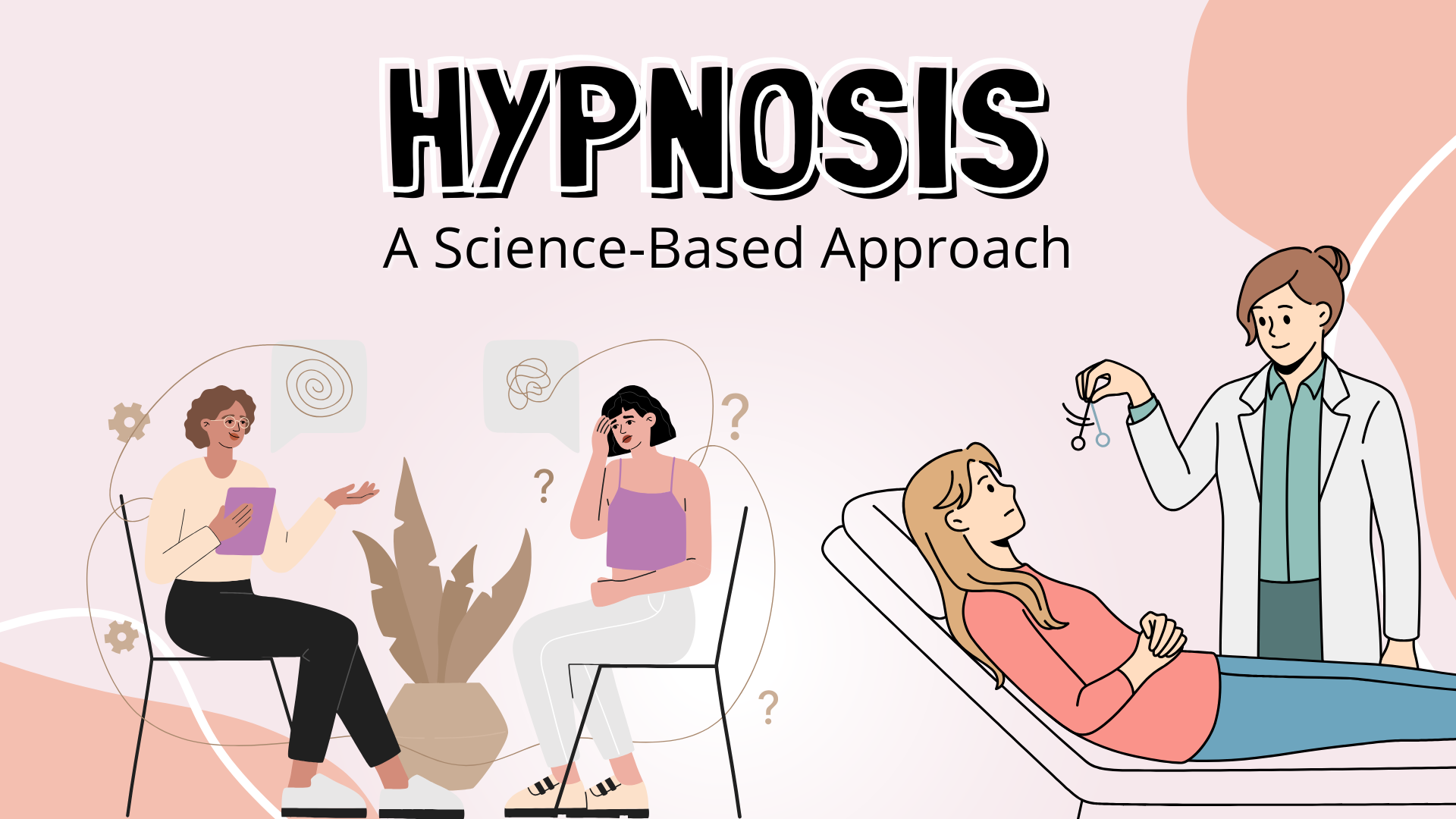
Hypnosis – A Science-Based Approach for 2025
Hypnosis has long been always misunderstood, often put down to the realm of myths, misconceptions, and stage performances. However, hypnosis is far more than entertainment—it is a scientifically supported practice that taps into the subconscious mind to promote healing and transformation. By addressing deep-seated issues such as anxiety, childhood trauma, and self-limiting beliefs, hypnosis offers a pathway to profound personal change. While you are reading this, we’ll explore hypnosis through a science-based lens, uncover its benefits, and discuss its practical applications. We’ll also highlight the expertise of Ameenah Thobani, an award-winning Clinical Hypnotherapist and RTT Therapist, who has successfully transformed the lives of over 950+ clients through her practice, Positive Enlightenment. What Is Hypnosis? Hypnosis is a state of focused attention and heightened suggestibility. During hypnosis, individuals experience a deep sense of relaxation, allowing access to their subconscious mind. This state enables them to address deeply rooted thoughts, emotions, and behaviors that may otherwise be challenging to confront. Scientific studies reveal that hypnosis activates specific areas of the brain, including the anterior cingulate cortex and the thalamus, which are associated with attention and control. Contrary to popular belief, hypnosis is not a state of sleep or mind control—it is a collaborative process between the hypnotherapist and the individual. The Science Behind Hypnosis Hypnosis is supported by a growing body of scientific evidence that demonstrates its efficacy in addressing various physical and mental health concerns. Brain imaging studies, such as functional MRI (fMRI) scans, show that hypnosis influences brain activity in areas related to pain perception, memory, and emotional regulation. By working with the subconscious mind, hypnosis provides access to a level of self-awareness and change that is difficult to achieve through traditional methods alone. Professionals like Ameenah Thobani use scientifically proven techniques to help clients uncover the root causes of their struggles and achieve profound transformation. Benefits of Hypnosis Hypnosis offers numerous benefits, including: • Healing Childhood Trauma: Hypnosis provides a safe environment to process and reframe unresolved childhood trauma, promoting emotional healing. • Anxiety Relief: Hypnosis helps reduce stress, address anxiety triggers, and build coping mechanisms. • Behavioral Change: Hypnosis can aid in breaking habits such as smoking or overeating by reprogramming subconscious behaviors. • Pain Management: Studies show hypnosis can alter the brain’s perception of pain, making it an effective tool for chronic conditions. Who Can Benefit from Hypnosis? Hypnosis is suitable for individuals struggling with anxiety, childhood trauma, PTSD, phobias, and negative habits. Its versatility makes it a valuable tool for anyone seeking personal growth and emotional well-being. Ameenah Thobani: Your Expert Guide At Positive Enlightenment, Ameenah Thobani specializes in healing emotional wounds through clinical hypnotherapy and RTT therapy. With a 96% success rate and recognition as the Best Hypnotherapy Business of 2023/2024, her programs—Transformation 90, Past Life Portal, and Revive 90—are tailored to help clients break free from limiting beliefs. Conclusion Hypnosis is a science-based approach to healing and transformation. With expert guidance from professionals like Ameenah Thobani, clients can access their subconscious mind to overcome challenges, heal from trauma, and unlock their true potential. Start your journey today by booking a free 30-minute consultation. FAQs 1. Is hypnosis safe for everyone? Yes, but individuals with severe mental health conditions should consult a medical professional before trying hypnosis. 2. How long do hypnosis sessions last? Typically, sessions last 60 to 90 minutes, depending on individual needs. 3. Can hypnosis help with chronic pain? Yes, hypnosis is effective for managing chronic pain by altering the brain’s perception of discomfort. 4. How does hypnosis differ from meditation? While both involve relaxation, hypnosis is goal-oriented and guided by a therapist, whereas meditation focuses on mindfulness. 5. Can you be hypnotized against your will? No, hypnosis requires the individual’s active willingness and cooperation. Do check our latest collection! GET IN TOUCH Schedule a Visit
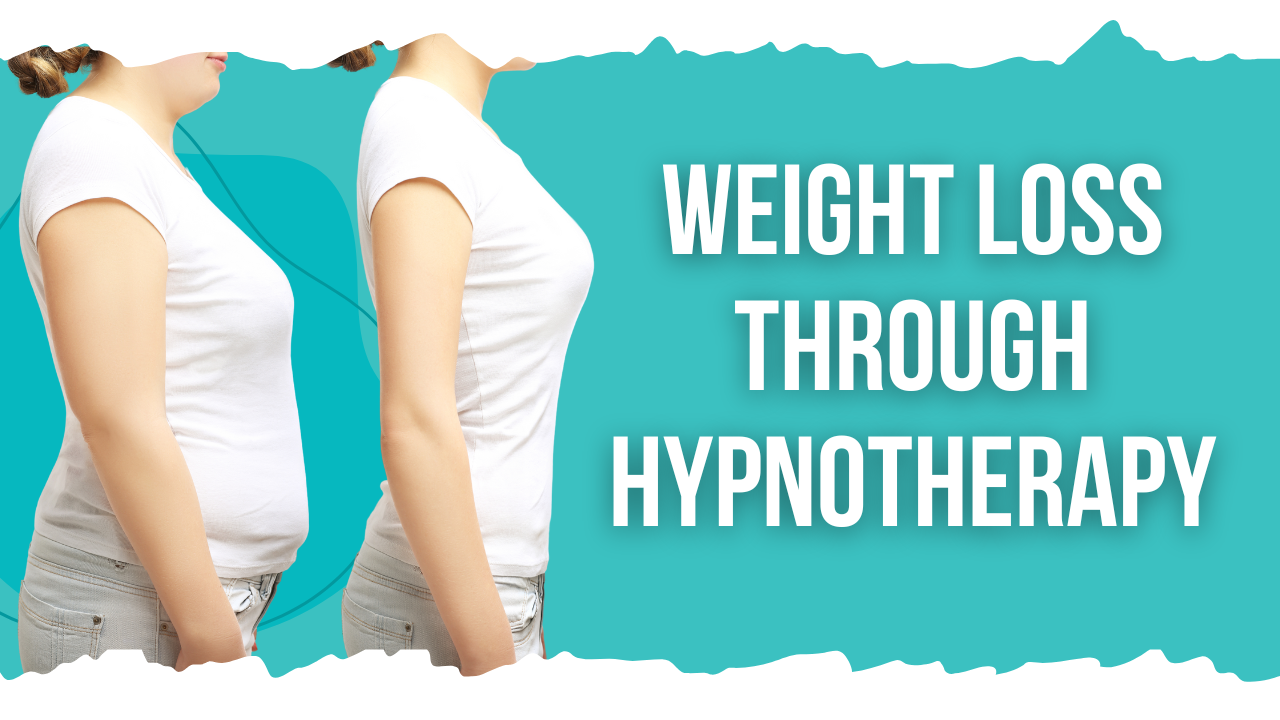
Is Hypnotherapy for Weight Loss Real? The Truth About Hypnotherapy for Weight Loss Revealed 2025
For many people, weight loss feels like a constant battle. You might try diet after diet, exercise relentlessly, or follow every health tip you come across, yet nothing seems to stick. It’s frustrating and discouraging. But what if the key to sustainable weight loss isn’t just about what you eat or how much you exercise? What if it’s about how your mind works? This is where hypnotherapy for weight loss comes into play. Unlike traditional methods, it dives deep into the subconscious to address the thoughts and habits that sabotage your progress. By shifting your mindset, hypnotherapy can help you unlock a healthier, happier version of yourself. What is Hypnotherapy for Weight Loss? At its core, hypnotherapy is a therapeutic approach that uses hypnosis to access the subconscious mind. For weight loss, it’s not about waving a magic wand, but about understanding and changing the mental blocks that make achieving your goals difficult. When you undergo hypnotherapy for weight loss, a trained hypnotherapist guides you into a deeply relaxed state. In this state, your mind becomes more receptive to positive suggestions. This helps you reprogram negative patterns, such as emotional eating, cravings, or procrastination around exercise. Hypnotherapy focuses on the “why” behind your habits. Why do you overeat when stressed? Why do you struggle with self-control at the sight of sweets? Addressing these deeper questions can create lasting change rather than just temporary fixes. How Hypnotherapy Addresses Weight Loss Struggles Weight loss is often more psychological than physical. Many people know what they “should” do—eat healthily, exercise regularly—but struggle to stay consistent. Hypnotherapy targets these struggles by rewiring your relationship with food and your body. Breaking Unhealthy Habits Unhealthy eating habits often stem from deeply ingrained routines. Maybe you snack late at night or always pair TV time with junk food. Hypnotherapy helps break these associations, replacing them with healthier behaviors. Managing Emotional Eating Stress, sadness, or even boredom can drive emotional eating. Hypnotherapy for weight loss teaches you to identify these triggers and respond differently. Instead of reaching for comfort food, you might visualize a calming image or focus on deep breathing. Over time, these healthier responses become second nature. Overcoming Self-Sabotage Self-doubt and limiting beliefs often hold people back. Thoughts like, “I’ll never lose weight,” can undermine your efforts before you even begin. Hypnotherapy helps replace these negative beliefs with empowering ones, boosting your motivation and confidence. The Process of Hypnotherapy If you’ve never experienced hypnotherapy, you might wonder what a session entails. The process is straightforward and tailored to your specific needs. Sessions are safe, gentle, and designed to empower you. You remain fully aware and in control throughout the process. Benefits of Hypnotherapy for Weight Loss Why choose hypnotherapy over other weight-loss methods? The benefits go beyond the physical and address the emotional and psychological aspects of your journey. Scientific Backing for Hypnotherapy Skeptical about whether hypnotherapy for weight loss works? You’re not alone. But research backs its effectiveness. Studies have shown that hypnotherapy can help individuals lose more weight compared to traditional methods alone. For instance, a study published in the Journal of Consulting and Clinical Psychology found that participants who incorporated hypnotherapy lost significantly more weight and kept it off longer than those who didn’t. Success stories also highlight its potential. Many individuals report feeling more in control of their eating habits, experiencing fewer cravings, and even enjoying exercise more after hypnotherapy. About Me – Ameenah Hi, I’m Ameenah, a certified therapist passionate about helping people transform their lives. I’ve seen firsthand how hypnotherapy for weight loss can empower individuals to achieve their goals and develop healthier relationships with their bodies. Through my company, Positive Enlightenment, I’ve guided countless clients toward sustainable weight loss and self-confidence. If you’re curious about how I can help you, visit my website at www.positiveenlightenment.ca to learn more about my services and approach. Is Hypnotherapy Right for You? Not everyone responds to weight-loss strategies in the same way, and that’s okay. Hypnotherapy can be a great-fit if: It’s important to consult a qualified hypnotherapist and ensure you’re ready to commit to the process. Combining Hypnotherapy with a Healthy Lifestyle While hypnotherapy for weight loss is powerful, it works best when combined with a healthy lifestyle. Focus on: Together, these elements create a sustainable weight-loss plan that supports both your physical and mental well-being. Conclusion Hypnotherapy for weight loss offers a unique, transformative approach to achieving your health goals. By addressing the root causes of unhealthy habits and reshaping your mindset, it empowers you to make lasting changes. If you’ve been struggling with weight loss and feel ready to try something different, hypnotherapy might just be the solution you’ve been searching for. Remember, the journey to a healthier you start with a single step—why not take it today?
5 Essential Tips for Ambitious Women to Break Free from Burnout
By Ameenah Thobani, Clinical Hypnotherapist & Counselling Hypnotherapist Burnout is a common struggle for ambitious women, especially those who constantly strive to create, achieve, and prove their worth. As someone who has experienced the relentless cycle of overworking and perfectionism, I know firsthand how easy it is to lose yourself in the process. As a seasoned Clinical Hypnotherapist specializing in childhood trauma and anxiety, I’ve learned that breaking free from burnout is not about doing more—it’s about aligning your actions with your authentic self. Here are five transformative tips to help you overcome burnout and find balance. 1. Recognize the Early Signs Burnout doesn’t happen overnight; it creeps in through physical, emotional, and mental exhaustion. Listen to the whispers before they become screams. Tip: Journal daily to check in with how you feel—emotionally, mentally, and physically. Identifying patterns early can help you take proactive steps to rest and recharge. 2. Shift from Overworking to Intentional Living Burnout often stems from the pressure to constantly do more. Instead of overworking, focus on intentional actions that align with your values and goals. Tip: Create a “priority map” to identify what truly matters. Eliminate tasks or commitments that drain your energy and don’t align with your purpose. 3. Regulate Your Nervous System Burnout is deeply tied to a dysregulated nervous system, often keeping you in a fight-or-flight state. Practices like mindfulness, breath work, and hypnotherapy can bring balance and calm. Tip: Dedicate 5–10 minutes each day to mindfulness or somatic exercises to reset your system and center yourself. 4. Honor Rest as a Key to Success Rest is not laziness—it’s an essential part of your success and well-being. True creativity and productivity flourish when your mind and body are replenished. Tip: Schedule rest into your day like any other priority. It could be as simple as a quiet cup of tea, a short nap, or a few moments of stillness. 5. Redefine What Success Means to You Society often equates success with constant productivity, but this mindset is a direct path to burnout. Redefine success in a way that resonates with your personal values and goals. Tip: Reflect on what brings you joy, peace, and fulfillment. Let this guide your choices, instead of external expectations. Burnout doesn’t have to define your journey. By reconnecting with yourself, honoring your needs, and aligning your actions with your true purpose, you can break free from burnout and step into a life that feels both meaningful and sustainable. About Ameenah Thobani I’m a Clinical and Counselling Hypnotherapist with expertise in helping clients heal from childhood trauma and anxiety. Through mindfulness, somatic therapy, and hypnotherapy, I guide women to reconnect with their authentic selves and create lives filled with balance and purpose. Your life isn’t meant to be a constant hustle. It’s meant to be lived, cherished, and enjoyed.For more support and resources, connect with me at www.positiveenlightenment.ca
How to Beat Holiday Burnout: Manage Family Reunions, Avoid Triggers, and Enjoy a Stress-Free Festive Season
The holiday season is often portrayed as a time of joy, celebration, and family bonding. But for many, it can also be a time of overwhelming stress, emotional exhaustion, and anxiety. Especially when faced with the pressures of family reunions and managing personal triggers. If you find yourself dreading the holidays, don’t worry—you’re not alone. In this article, we’ll explore why holiday burnout happens and provide actionable strategies to make the season less stressful and more enjoyable. What is Holiday Burnout, and Why Does It Happen? Holiday burnout refers to the emotional and physical exhaustion caused by the pressures of the festive season. Common contributors include: • Overpacked schedules filled with parties, shopping, and planning. • Financial stress from gift-giving and holiday expenses. • Emotional strain from family dynamics or unresolved conflicts. • Unrealistic expectations fueled by social media and cultural norms. Understanding the root causes of holiday burnout is the first step toward managing it effectively. Why Family Reunions Can Be Stressful? Family gatherings are often the centerpiece of the holiday season, but they can also bring up: Recognizing potential stressors in advance helps you prepare emotionally and set boundaries. Top Strategies to Avoid Holiday Triggers How to Make the Holidays Less Stressful? Fun and Stress-Free Holiday Strategies 1. Create New Traditions If old traditions feel stressful or outdated, start new ones that reflect your current lifestyle and values. For example: 2. Simplify Gift-Giving 3. Focus on Experiences Over Perfection 4. Prioritize Quality Time Instead of focusing on the quantity of events or gifts, invest your energy into meaningful conversations and connections. How to Recover from Holiday Burnout? Even with the best planning, holiday burnout can still sneak up on you. Here’s how to recharge: Conclusion The holiday season doesn’t have to be a source of stress. By setting boundaries, focusing on what truly matters, and implementing stress-reducing strategies, you can transform the holidays into a time of joy and connection. Remember, it’s okay to prioritize your well-being and make choices that feel right for you. With a little planning and a positive mindset, the festive season can become a celebration you look forward to every year. FAQs 1. How do I politely avoid sensitive topics at family gatherings?You can steer the conversation toward neutral topics or kindly excuse yourself if a discussion becomes uncomfortable. 2. What are some ways to celebrate the holidays alone?Enjoy a solo holiday by treating yourself to a special meal, watching your favorite movies, or taking a trip. 3. How can I handle financial stress during the holidays?Set a realistic budget and explore low-cost or DIY gift options. Communicate with loved ones about simplifying celebrations. 4. What are quick ways to de-stress during holiday events?Take deep breaths, find a quiet space, or use grounding techniques like focusing on your five senses. 5. How can I support a friend experiencing holiday stress?Offer a listening ear, help them with tasks, or invite them to join you in low-pressure holiday activities.
FROM POVERTY TO PROSPERITY
HOW CHILDHOOD FINANCIAL STRUGGLES SHAPE ADULT FINANCES AND STEPS TO OVERCOME THEM Growing up in poverty can shape your adult financial habits in profound ways. The childhood financial struggles often leave emotional scars that influence how we manage, save, and spend money later in life. As a hypnotherapist, I’ve seen firsthand how deeply ingrained these limiting beliefs can be, holding people back from financial success. In this blog, we’ll explore how poverty during childhood impacts adult finances and share actionable tips to overcome financial trauma, including how hypnotherapy can reprogram limiting beliefs. The Emotional and Psychological Impact of Childhood Poverty Living in financial instability as a child often creates a mindset of scarcity, where money becomes associated with stress, fear, and anxiety. This emotional connection to money frequently persists into adulthood, driving financial behaviors and decisions. Low self-worth or a fear of financial failure can cause people to avoid risks or make poor financial choices, repeating patterns of struggle. Developing a Scarcity Mindset A scarcity mindset is the belief that there’s never enough—whether it’s money, resources, or opportunities. This mindset often follows people into adulthood, influencing financial decisions. You may avoid spending even on necessities, or you may spend impulsively to compensate for past deprivation. The scarcity mindset creates a cycle of self-sabotage, where financial growth feels out of reach. Impact on Financial Habits in Adulthood The financial struggles of childhood can result in several problematic financial habits, including: – Overspending: Compensating for past deprivation with excessive material purchases. – Underspending: Hoarding money out of fear that it will run out. – Risk-aversion: Avoiding investments or career changes due to fear of failure, resulting in missed financial opportunities. Breaking the Cycle: The Role of Self-Awareness To overcome these patterns, self-awareness is essential. Start by identifying the emotional triggers that influence your financial behavior. Do you panic at the thought of spending money or feel guilty about purchases? Acknowledging these patterns allows you to challenge them and begin creating healthier financial habits. Overcoming Financial Anxiety Through Hypnotherapy Hypnotherapy can help address financial anxiety by reprogramming the subconscious mind. Many limiting beliefs about money stem from childhood, lodged deep in the subconscious. Hypnosis allows you to access these beliefs and replace them with more empowering, positive thoughts. For example, during a session, you might work on transforming the belief that “I’ll never have enough money” into “I am worthy of financial success.” Reprogramming the Subconscious Mind for Abundance The subconscious mind controls much of our financial reality. If your mind is filled with limiting beliefs like “I will always struggle with money,” you may unconsciously make choices that reinforce those thoughts. Hypnotherapy helps rewire these beliefs, allowing you to adopt an abundance mindset where money is seen as a tool for growth and opportunity, rather than a source of fear. Practical Tips to Overcome Childhood Financial Trauma Overcoming financial trauma involves both emotional healing and practical strategies. Here are some steps you can take: – Create a Budget: Planning your expenses and savings helps you regain control over your money. – Practice Mindful Spending: Be conscious of your financial decisions to avoid emotionally driven impulse purchases. – Build an Emergency Fund: Start small, but gradually save to create a safety net that reduces financial stress. – Seek Financial Education: The more you know about budgeting, saving, and investing, the more empowered you’ll feel to manage your finances effectively. Cultivating an Abundance Mindset Developing an abundance mindset involves shifting from a perspective of scarcity to one of opportunity. Begin by changing your internal dialogue around money. Instead of saying, “I can’t afford this,” try asking, “How can I afford this?” This shift encourages creative problem-solving. Surround yourself with positive influences, such as financial mentors or educational content that emphasizes financial growth and success. The Role of Gratitude in Shifting Financial Perspectives Gratitude plays a key role in shifting your financial mindset. Focusing on what you have, rather than what you lack, cultivates a sense of abundance. Practicing gratitude daily can transform your relationship with money, helping you attract more opportunities for financial growth. When you focus on the positives in your life, you’re more likely to feel secure and attract wealth. Letting Go of the Past: The Importance of Forgiving Yourself Forgiving yourself for past financial mistakes is crucial to breaking free from the cycle of financial struggle. Many of our unhealthy money habits were developed in response to childhood survival mechanisms. Acknowledge your past without judgment and focus on the lessons learned. By forgiving yourself, you create space for healthier financial decisions moving forward. Building Financial Confidence as an Adult Building financial confidence involves setting achievable goals, educating yourself about money, and tracking your progress. Each small financial win, such as paying off a debt or sticking to a savings plan, helps build confidence. Financial confidence grows as you take control of your finances, make informed decisions, and celebrate your milestones. My Journey as a Hypnotherapist As a hypnotherapist, I have seen how childhood financial struggles can profoundly shape adulthood. My personal experiences with financial challenges inspired me to help others overcome these deep-rooted beliefs. I guide my clients through a process that focuses on reprogramming limiting beliefs around money, helping them shift from a mindset of scarcity to one of abundance and empowerment. The goal is to help individuals not only manage their finances but also feel confident and secure in their financial future. Why Financial Healing is Key to Emotional Wellbeing Financial stress can affect your emotional and mental health, leading to anxiety, depression, and strained relationships. Addressing financial trauma and building healthy financial habits not only improves your financial situation but also enhances your emotional wellbeing. Financial peace is critical to living a balanced and fulfilled life. Conclusion Childhood financial struggles may shape your adult relationship with money, but they don’t have to define your financial future. Through self-awareness, practical financial strategies, and emotional healing techniques like hypnotherapy, you can break free from limiting beliefs and create a